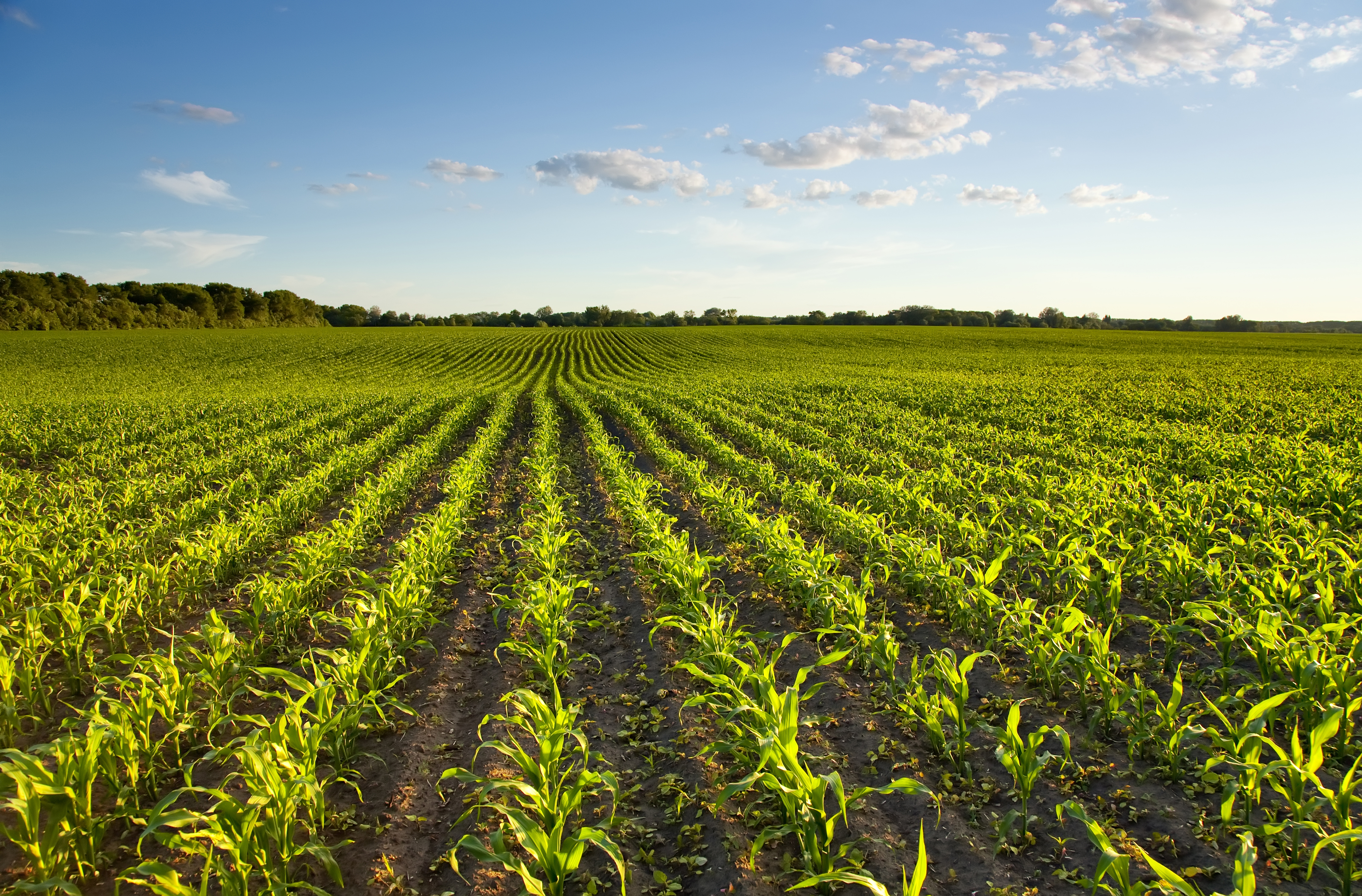
Widespread natural color conversion is the theme of the food and beverage industry right now, capturing attention and capacity across businesses and departments in almost every segment.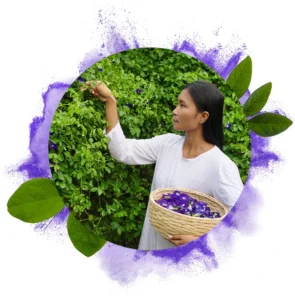
Booming demand is paired with some concern about supply chain security, as the U.S. market alone is expected to more than quadruple its value in a handful of years. Such a projected volume increase would dwarf not only the current U.S. market but the current global market entirely, with demand potentially outpacing supply in the short term.
Those conducting risk assessment for natural colors are likely already aware of the limited acceleration of botanical harvest timelines and supply chain constraints for the raw materials, but additional factors may play roles as well.
While botanical planting and growth can cause a bottleneck, the bigger challenge is increasing processing capacity. In hindsight, this should not come as a surprise since it takes more time to expand facilities and build the new equipment needed than on the agricultural front end. Natural color suppliers around the world should be preparing for dramatic volume increases, but these things take time to secure, install, and begin production. Sensient has recently committed $250 million in capital spending over the next two years to enable us to meet the expected conversion demand.
 Color suppliers who have not been preparing may find themselves unable to fulfill orders and stuck without the necessary specialized equipment to produce natural colors even if they are able to secure the botanical volume.
There’s only so much that can be done to accelerate these projects: Even at the fastest pace possible, construction and equipment acquisition and installation can still take a year to complete.
Sensient Solution: We are working diligently to protect our customers from supply interruptions and bottlenecks. In 2026, we kicked off major plant expansions in St. Louis and other key manufacturing sites on multiple continents. We’ve been working on our capital investment projects for over a year and a half before breaking ground, and as the expansions continue, we’ll share updates with our customers.
As natural color demand surges, supply chains are strained, and some brands may look to the edges of the market to find solutions. However, it’s important to bear in mind that not all suppliers are equally reliable, and not all botanicals are equally sourced.
Many color crops are traditionally grown in regions of the world with current and historical ties to problematic labor practices. One such example is the Xinjiang Uyghur Autonomous Region (XUAR) of China. This region is known for human rights violations of Uyghurs and other ethnic and religious minorities including widespread forced labor. As a result, the U.S. State Department prohibits the use of goods produced or manufactured wholly or in part in the XUAR of China under the Uyghur Forced Labor Prevention Act. Any food or beverage ingredients, including certain botanical colorants, produced in this region are banned from entering the United States due to associations with forced labor.
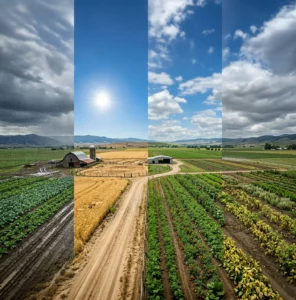 Botanical crops are more threatened than synthetic components by disruptions like weather and disease. Looking ahead, supply chain security requires growing in multiple regions and farmer partnerships informed by accurate forecasting.
Because of bad actors within the industry and known issues with certain supply regions, it is critical for brands to understand exactly where your product comes from and to rely on trustworthy suppliers.
Sensient Solution: Transparency and security are core tenets of our business structure and our Certasure™ program for natural color food safety.
We source ethically from contracted farmer partnerships around the world with secure, redundant provisions and crop planning. Our color portfolio is filled with botanical solutions that we are confident offer long-term supply availability.