Legislation and Consumer Sentiment Combine to Drive Natural Color Conversion
Pushback against synthetic dyes has been on the rise for several years. At the beginning of 2025, the FDA announced it would revoke approval for the use of FD&C Red 3 in food and beverages effective in January 2027. In the months that followed, over 100 state-level bills and several federal bills targeting combinations of synthetic dyes, certain additives, and titanium dioxide were pursued across the United States.
In response to consumer concerns and ongoing legislative efforts, many brands across the industry announced their commitments to removing synthetic dyes from their products. Red/pink is the top color currently achieved in North America with synthetic dyes, so demand for natural solutions is high.
Considerations for Replacing Red 40 and Red 3
Fortunately for developers, natural red colors are many and varied. To find the right solution for your project, you should consider several factors:
- Heat processing
- Acidity
- Manufacturing requirements
- Target shade
- Labeling goals
- Regulatory compliance
Don’t Overlook Supply Chain Impacts
Each year, the FDA certifies more than 5 million pounds of FD&C Red 40. To convert that volume to natural alternatives, our team projects more than 100 million pounds of natural red color would be needed. This dramatically increased volume is likely to temporarily strain natural color supply chains while the market adjusts.
Natural colors extracted from botanicals are inherently less concentrated than synthetic dyes, which are developed in specialized chemical processes.
When selecting the right natural red for your project, keep in mind that a higher performing solution may have a higher cost-per-pound, but the cost-in-use will have a more relevant end impact on your balance sheet.
Some solutions, sources, or suppliers may also have less stable supply chains, which can result in price volatility or supply interruptions down the road. Once formulas are finalized, natural colors can be complex to substitute than synthetic colors. Therefore, it’s important to think long-term about the stability of your potential supply chain and how it may impact your manufacturing needs.
Natural Red and Pink Colors for Pharma and Nutra
Rather than limiting our customers to only one or two natural red sources, Sensient offers a wide and deep range of solutions.
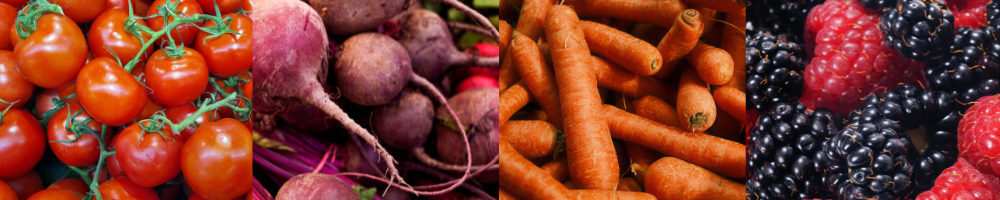
- Anthocyanins: Sourced from fruit and vegetable juices, ideal for bright red and pink hues in low pH applications.
- Lycopene: Sourced from tomatoes and offers red to coral colors in a wide range of applications
- Beet: One of the most universally compliant natural colors around the world, and Sensient’s vertical integration and technological advances are continuously improving strength and cost-in-use.
- Carmine: Also known as cochineal, is an extremely stable bright pink solution and is an excellent shade match for Red 3.
- Beta Carotene: Provides stable coral to orange-red hues in mid to high pH applications.