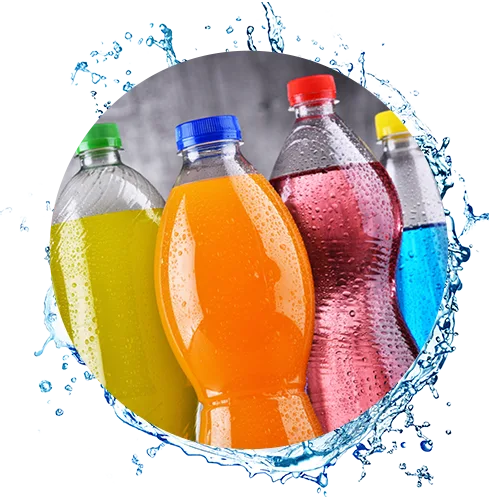
Leading energy drink brands are poised to update their formulations to align with evolving consumer expectations and regulatory scrutiny. According to Mintel’s 2026 analysis, consumers of sports and performance beverages now prioritize products made with natural inputs, such as botanical extracts and naturally derived colors, over traditional nutrition and performance claims. This shift reflects a broader demand for transparency, cleaner labels, and ingredient lists that consumers can easily understand. Furthermore, Mintel’s findings indicate that, beyond the inclusion of added protein, the presence of natural ingredients constitutes the primary value driver for which consumers are willing to pay a price premium. In practical terms, this translates to heightened interest in naturally sourced flavors, reduced reliance on artificial additives, and formulations that communicate functional benefits without compromising perceived purity. As a result, brands that invest in credible natural sourcing, verifiable quality standards, and clear on-pack messaging are better positioned to differentiate, justify premium pricing, and build long-term consumer trust in the competitive sports and energy beverage categories (1).
+51% increase in energy drink launches with “free from artificial colorings” claims from 2020 to 2025 (2)
Do functional ingredients interact with natural colors?
Traditional carbonated soft drinks are typically built on straightforward recipes (water, sugar, an acidulant, flavoring, and color) resulting in predictably stable systems. In contrast, today’s functional and specialty beverages frequently incorporate proteins, botanicals, minerals, nootropics, fibers, emulsions, and sweetener blends that can influence pH, ionic strength, and light exposure stability, potentially impacting color performance and shelf life.
To address these complexities, Sensient offers an expansive portfolio of natural color solutions spanning botanically derived anthocyanins, carotenoids, turmeric and beet extracts, chlorophyll derivatives, and advanced emulsified systems designed for clarity and brilliance in both still and sparkling formats. Our team conducts application-specific assessments, considering processing conditions, packaging, pH targets, and interaction with active ingredients, to optimize hue, saturation, and stability. If any incompatibilities emerge, we can recommend alternative color systems, delivery formats, or sourcing strategies, including oil- or water-dispersible options, encapsulated and emulsion technologies, and clean-label selections tailored to the unique demands of complex beverage formulations.
What do developers need to know to start the color development process?
Product acidity is a critical factor when selecting and formulating natural color systems. The majority of carbonated soft drinks are designed at or below pH 4.0, which necessitates the use of acid-stable colorants, including anthocyanins and carotenoids, to maintain hue integrity and prevent precipitation or fading. Processing parameters further influence performance. Since most carbonated soft drinks are cold-filled and chemically preserved, the color systems employed are typically heat-stable, light-resistant, and offered in a wide gamut to meet target shades and clarity requirements. Additionally, if your beverage base incorporates a clouding agent or other functional ingredients (such as emulsifiers, sweeteners, or flavor oils), these components can interact with pigments and alter visual outcomes, stability, or opacity. Whenever possible, providing a representative base sample for laboratory evaluation allows your color supplier to assess matrix interactions, confirm regulatory compliance, and recommend the most compatible solutions. If sampling is not feasible, supplying the pH, target shade, processing details, and packaging format will generally provide sufficient information to initiate a robust formulation strategy.
What is the biggest challenge for natural color development in RTD beverages and carbonated energy drinks?
Usage rates and cost increases, particularly when compared with synthetic dyes, are critical considerations in the beverage category. Synthetic dyes deliver intense coloration at very low inclusion levels, which means that transitioning to natural color solutions typically requires higher usage rates to achieve comparable vibrancy and hue consistency. While highly concentrated natural color systems—such as those available in Sensient’s portfolio—can partially mitigate the increase in dosage, the concentration of natural colors does not yet match that of synthetic counterparts. Additionally, synthetic dyes are generally far more cost-effective on a per-use basis than natural alternatives, amplifying the overall financial impact of a conversion. These cost and performance dynamics are further influenced by factors such as beverage pH, processing conditions, light exposure, and shelf-life requirements, all of which can necessitate higher loadings of natural colors or specialized stabilization technologies.
Given these realities, product developers and cross-functional stakeholders should align early on expectations: achieving both a neutral cost impact and equivalent color intensity in a synthetic-to-natural conversion is not feasible with current technology. Establishing clear targets for acceptable cost deltas, desired shade and saturation, and stability parameters enables our team to focus on practical, commercially viable solutions that align with your brand objectives and regulatory needs. By defining budget guardrails and performance priorities upfront, we can recommend the most appropriate natural color options and supporting technologies—such as emulsions, encapsulations, or protective packaging—to optimize visual appeal while managing trade-offs. This structured approach reduces iteration cycles, preserves development timelines, and ensures that the final selection meets your quality standards without proposing colors or methods that are incompatible with nonnegotiable constraints.
How Sensient Can Help Formulate your Next Beverage
Addressing taste, color, and stability is far easier with a formulation partner that has already solved these challenges. Sensient Pharma brings deep expertise in functional beverage development, helping brands translate promising actives into products consumers are eager to enjoy repeatedly.
- Taste and odor masking: Many of the ingredients fueling the beverage market growth—caffeine, probiotics, adaptogens, plant proteins, and minerals—carry bitterness, astringency, or other off-notes that can undermine otherwise strong formulas. Sensient’s flavor and masking systems are engineered to neutralize these notes without compromising the functional dose.
- Natural color solutions: As clean label becomes table stakes, natural colors must still perform—maintaining hue through pH shifts, heat processing, and shelf life. Sensient’s natural color portfolio is specifically developed to remain vibrant and stable in beverage systems where synthetic colors once prevailed.
- Cross-format formulation experience: Beyond beverages, we support gummies, powders, oral strips, sachets, and more—providing a partner that understands how actives behave across diverse delivery formats.
Looking to expand your product line to more than energy drinks? Read our blog about the future of energy and emerging formats becoming popular in that market.
Sources:
1. Mintel
2. Mintel GNPD 2020-2025
Take our Colors for a Spin!
Reach out to a member of our technical team and we will work with you through the formulation process of your energy drink.