Trends & Insights
Flavors in Sports Nutrition
The sports nutrition industry has witnessed remarkable expansion, driven by an increased awareness of health and wellness, a burgeoning fitness movement, and a growing number of individuals striving to enhance their athletic capabilities. This market encompasses a wide array of products, including protein supplements, energy-boosting bars, and advanced hydration solutions, all designed to cater to the diverse demands of consumers. The primary catalysts fueling this growth include a surge in fitness-related activities, a transition towards products with clean labels, and the impactful role of social media along with influential fitness personalities in shaping consumer preferences (1).
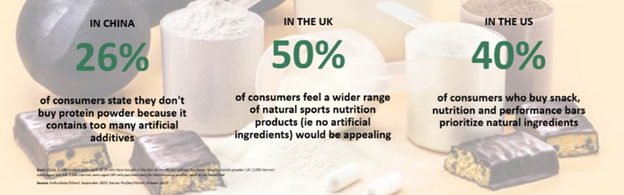
Consumer preferences are actively shaping innovation within the market, as they seek a broad spectrum of functional benefits, alongside seasonal and limited-edition flavors. However, the fundamental aspect of consumer demand remains centered on natural ingredients. In 2024, an impressive 41% of global performance nutrition product launches featured a natural claim. Within these naturally labeled products, 43% were free from added or artificial colorings, 30% omitted added or artificial flavorings, 17% were based on plant ingredients, and 16% contained no added sugars.
For numerous decades, the use of food flavors in the formulation of functional foods has been prevalent, although the specific considerations and requirements for each application differ significantly. In the realm of sports nutrition products, there are intrinsic off-notes present, originating either from the base ingredients or from the vitamins and active compounds themselves, which necessitate effective flavor masking. As we venture into the integration of plant-based protein sources, it becomes essential to address the aspect of mouthfeel, as these plant-derived proteins often lack the creamy texture characteristic of their animal-based counterparts.
46% of US sports/performance drink consumers are interested in new or interesting flavor options (1)
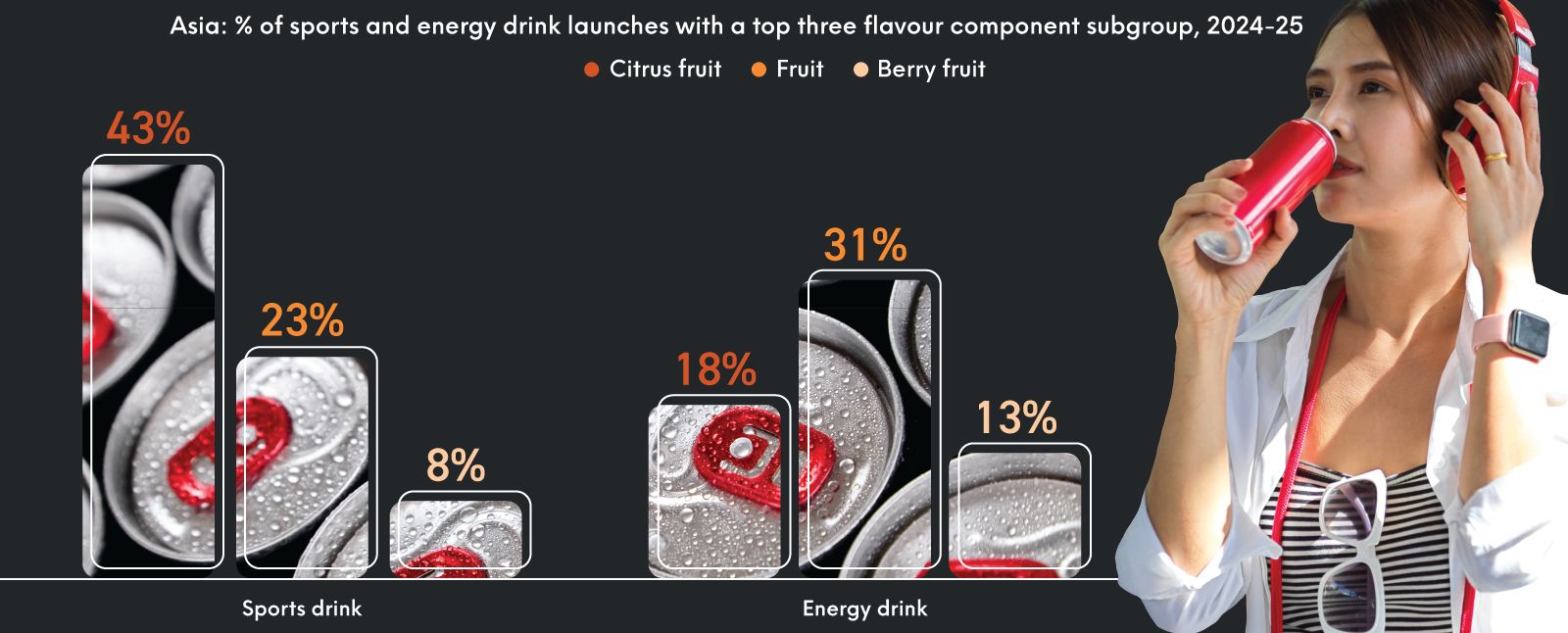
In the realm of consumer products, flavor innovation serves as a pivotal catalyst, fostering both enthusiasm and brand loyalty among consumers. Over the past year, chocolate has maintained its status as the leading flavor in the categories of energy bars as well as nutritional and meal replacement beverages. However, when it comes to sports and energy drinks, there has been a marked preference for fruit flavors, with particular emphasis on citrus and berry varieties, demonstrating a shift in consumer taste preferences.
Insights from a comprehensive Mintel report reveal that a significant portion of the US consumer base, nearly fifty percent of those who partake in sports or performance beverages, express a keen interest in the introduction of novel and intriguing flavor options from beverage brands. This trend underscores the importance of continuous flavor exploration and innovation to capture and retain consumer interest in an increasingly competitive market landscape.
What are the Top Trending Flavors in Sports Nutrition?
- Fruit-Forward and Tropical Flavors: Within the sports nutrition sector, fruit-based flavors are distinctly preferred by consumers. Over fifty percent of product launches since 2022 have featured fruit flavors, with notable growth in tropical, melon, lime, and orchard fruit varieties. Classic flavors such as orange, raspberry, and pineapple remain prevalent, while mango, guava, and passionfruit are gaining traction. These flavors offer familiarity, a sense of natural origin, refreshment, and align seamlessly with clean label marketing. Due to their light and invigorating nature, fruit flavors are ideal for ready-to-drink beverages and hydration powders, although they necessitate careful masking of off-notes when combined with high-protein, plant-based, or fiber-rich bases. (4)
- Indulgent and Dessert-Inspired Flavors: The fusion of indulgence and nutrition continues to thrive, with flavors like cookie dough, cake/pastry, chocolate peanut, and rocky road appearing in bars, powders, and meal replacements. Optimum Nutrition has introduced flavors reminiscent of Thin Mints, Caramel Macchiato, and Blueberry Lemonade. As sports nutrition becomes integral to daily dietary routines, distinctive flavors play a critical role in consumer retention. Indulgent flavor profiles often require sophisticated flavor systems and masking techniques, and may benefit from enhancements in texture. (2)
- Plant-Based/Clean/Functional Flavor Profiles: The rise in plant-based proteins and vegan-friendly sports nutrition has led to evolving functional and flavor demands. Plant-based ingredients often introduce off-notes such as beany, earthy, grainy, or cardboard-like flavors, necessitating taste modulation for enhanced palatability. Brands targeting vegan, clean-label, or holistic wellness markets must offer flavors that resonate with these principles to avoid consumer disapproval. Employing masking technologies, taste modulation, and utilizing mild yet distinct flavor profiles are essential strategies. (3)
How Can Sensient Pharma Help?
As a global flavor supplier to the pharmaceutical and nutraceutical industries, Sensient Pharma delivers scientifically designed taste solutions that enhance product performance and consumer compliance. Our portfolio includes natural and synthetic flavors and masking technologies developed through advanced sensory science and formulation expertise. From tablets and syrups to gummies and powders, our flavors are engineered to ensure stability, consistency and regulatory compliance. Partnering with Sensient means working with a trusted flavor supplier who understands the complex interaction between taste, texture and active ingredients.
Let's Get Started!
Requesting a consult with Sensient's excipient experts is easy and our team is glad to assist!